近年来,意大利足球面临着许多挑战,尤其是在青训和基础设施方面的投入不足。为了解决这一问题,意大利足协计划征收1%的足彩税,将这些收入专门用于青少年培训以及相关基础设施的发展。这一措施不仅旨在提高足球人才的培养质量,还希望通过改善硬件条件来推动整体足球水平的提升。本文将从四个方面详细探讨这一政策的背景、意义、实施策略及其预期效果,以期为读者提供全面深入的分析。
1、政策背景与现状
意大利足球在过去几十年中曾经辉煌,但近些年来却逐渐显露出一些问题。特别是在青训体系方面,与其他欧洲强国相比,意大利并没有形成系统化和完善化的人才培养机制。这使得优秀年轻球员的涌现数量明显减少,导致国家队在国际赛事中的竞争力下降。
此外,许多地方俱乐部因为资金短缺而无法进行有效的训练和比赛设施建设,这不仅影响了球员的成长,也削弱了整个联赛的发展动力。因此,为了解决这些困境,意大利足协决定通过征收足彩税来增加资金来源,从而推动青训与基础设施建设。
总体来看,此次足彩税的征收是对当前困境的一种积极回应,也表明了足协对于未来发展的重视。在这样的背景下,新政策应运而生,并引起了社会各界的广泛关注。
2、政策实施细则
为了确保1%足彩税能够顺利征收并有效使用,意大利足协制定了一系列实施细则。这些细则明确规定了税款的使用方向及管理方式,以保证每一分钱都能最大程度地发挥其作用。例如,在青训领域,将重点投资于教练员培训、青少年训练营建设等方面。
同时,在基础设施建设方面,足协将优先支持那些有潜力但资金匮乏的小型俱乐部,使他们能够改善场地条件和训练设备。此外,还将设立专项基金,用于支持新建或改造青年训练中心,提高整体培训环境。
为了确保透明度和公正性,每年的资金使用情况将会被定期审计,并向公众报告,让更多人参与到监督过程中,从而增强大家对这一政策的信任与支持。
3、对青年球员发展的影响
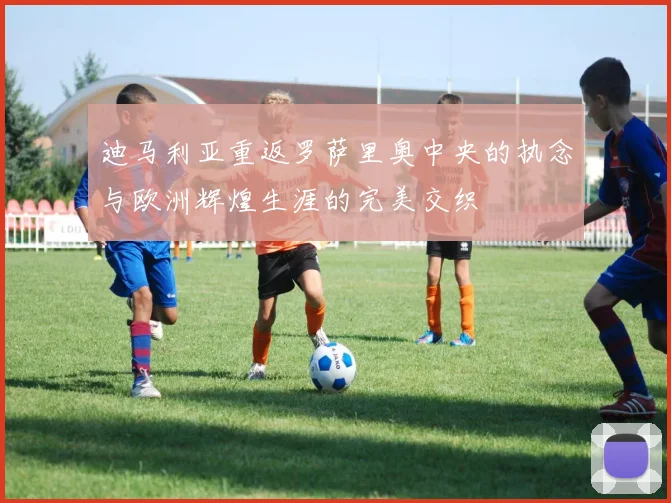
This policy is expected to have a significant impact on the development of young players in Italy. With increased funding for training programs and facilities, it will create more opportunities for talented youth players to receive high-quality coaching and resources. This is crucial for their growth and development, helping them realize their potential.
The improvement in training conditions will also attract more young people to participate in football, thereby expanding the talent pool. In this regard, the initiatives supported by the 1% tax are not limited to elite levels but aim to engage grassroots players as well, ensuring that football becomes accessible to all.
Moreover, with better-trained coaches and improved facilities, young players will find themselves in an environment conducive to honing their skills. This holistic approach not only benefits individual athletes but also contributes to raising the overall standard of Italian football.
4、长远效果与展望
This initiative's long-term effects could be profound, potentially transforming the landscape of Italian football over time. With sustained investment into youth training and infrastructure improvements, Italy could gradually regain its status as a powerhouse in European football.
If implemented effectively, this strategy might lead to a resurgence of homegrown talent emerging from Italy’s clubs. These players can then contribute significantly to both club success and national team performance on international stages.
The success of this policy will largely depend on continuous evaluation and adaptation based on feedback from stakeholders within the football community. As such, it represents not just a financial investment but also a commitment to fostering a culture of excellence in Italian football.
总结:
总之,意大利足协计划征收1%足彩税用于青训与基础设施发展,是应对当前足球发展困境的重要举措。这项政策不仅可以为年轻球员提供更好的成长环境,也能促进整个足球生态系统的健康发展,通过持续投入,实现质变。期待未来几年内,这一政策能够结出丰硕成果,为意大利足球注入新的活力。
最终,希望通过这项改革,不仅能挖掘出更多天赋异禀的新星,还能让整个社会更加关注青少年体育的发展,共同打造一个充满希望与创造性的足球未来。这是对每一个热爱足球的人最好的回馈,也是对未来负责任态度的重要体现。